The personal crisis playbook: why HNWIs need prepared response strategies
Mon, 09 Feb 2026
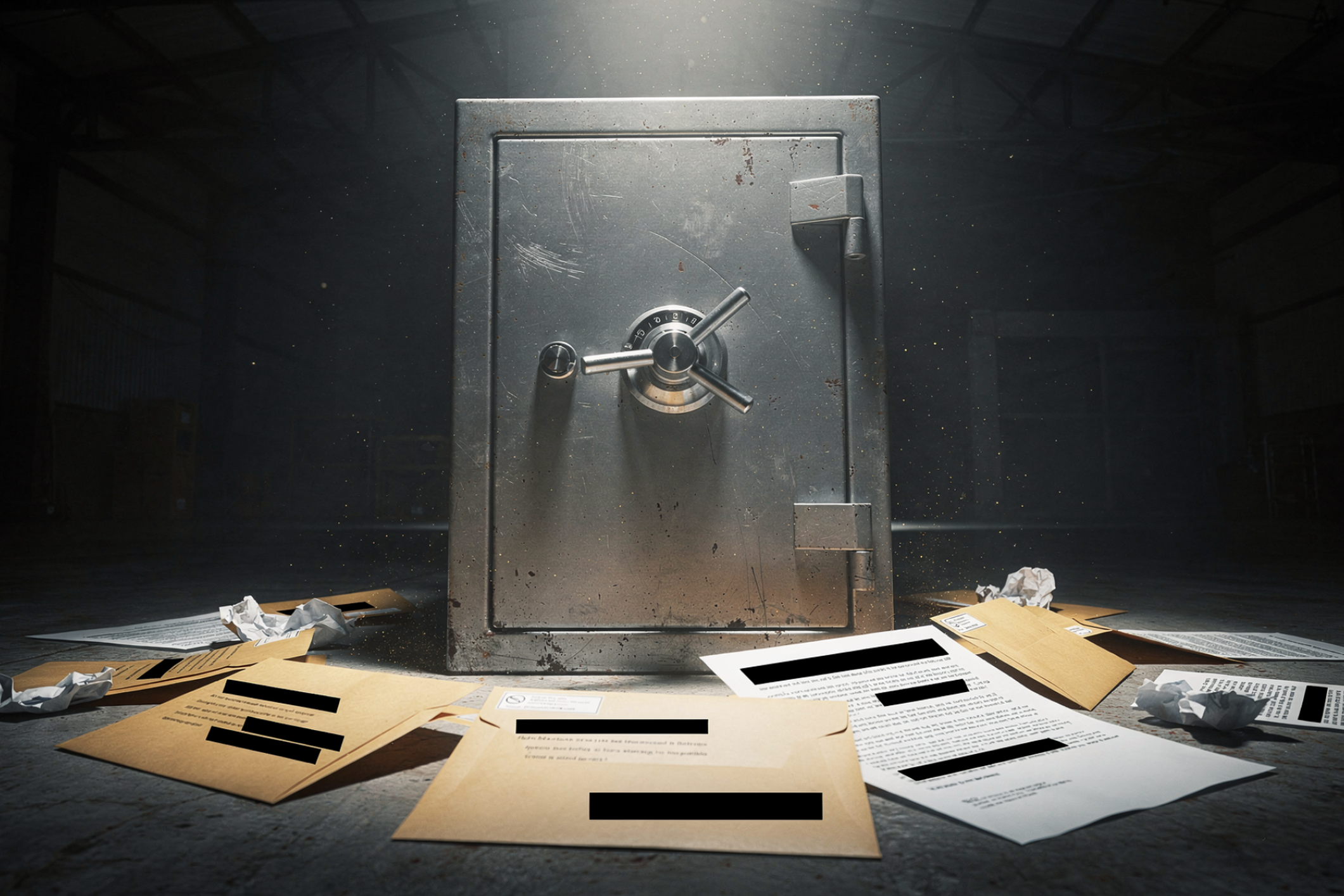
Epstein files and the spotlight on power
In recent weeks, the Epstein files have resurfaced with renewed force, dominating headlines worldwide. Influential figures across the globe are now confronting resurfaced correspondence and historical associations that, even in the absence of wrongdoing, carry significant reputational consequences. In the UK, the controversy surrounding Lord Peter Mandelson’s past links to Epstein demonstrates how long-dormant connections can quickly reignite scrutiny. Prime Minister Keir Starmer is now facing political pressure over his decision to appoint Mandelson, illustrating how reputational exposure can extend well beyond those directly implicated.
In this blog, our GRA team highlights where high-net-worth individuals (HNWIs) are most exposed – and why, even in the absence of wrongdoing, a personal crisis playbook is essential to reduce reaction time, contain risk and support deliberate decision-making.
Crises are no longer contained
For high-profile individuals, crises can no longer be assumed to remain private or manageable. Wealth, visibility and influence now bring a level of scrutiny once reserved for corporations and public institutions. The Epstein files illustrate how reputational risk today is often driven not only by established facts, but by perception, historical associations, and narratives that can resurface and rapidly gain global traction. In this environment, association-driven controversies sit alongside legal disputes, cyber incidents, family matters, leaks and activism as risks that can escalate rapidly – often without warning and without access to the structured response capabilities organisations typically rely on.
Despite this, many HNWIs continue to approach crises in an ad-hoc manner, often relying on instinct, informal counsel or silence. In a media environment that rewards speed over verification, this can significantly increase both the scale and longevity of reputational risk.
Why individuals can’t improvise under pressure
At GRA, we consistently advise against improvisation in moments of crisis. Corporations rehearse crises for a reason: stress impairs judgment, compresses timelines and amplifies mistakes. Individuals are no different – except that they are often operating without dedicated teams, tested protocols or clear decision trees when pressure hits.
For HNWIs, the stakes are deeply personal: reputation, family safety, asset protection, legal exposure and long-term legacy. A delayed response, a poorly worded statement or an uncoordinated advisor can turn a manageable incident into a defining narrative.
Where HNWIs are most exposed
At GRA, we often see recurring patterns in where personal crises most often originate and escalate.
- Information leaks
Private matters now surface through digital breaches, litigation or third-party disclosures. - Speed asymmetry
Media, social platforms and counterparties move faster than private individuals can react. - Family and proximity risk
Spouses, children, staff and close associates can unintentionally amplify or trigger crises. - Advisor fragmentation
Legal, financial, security and communications advisors often operate in silos – until a crisis forces alignment.
What a personal crisis playbook actually is
A personal crisis playbook is not a generic PR plan. At GRA, we view it as a rehearsed, confidential framework built specifically around an individual, their risk profile, and their wider personal and professional ecosystem.
It defines:
- Who speaks, and who never does
- Which advisors are activated, and in what order
- What information is shared, withheld or legally protected
- How family, staff and close partners are briefed
- Which scenarios require visibility – and which require strategic silence
Prepared properly, a personal crisis playbook reduces reaction time, limits exposure, and ensures decisions are made deliberately rather than under pressure.
Why preparation changes outcomes
Rehearsed response strategies remove emotion from first decisions. They clarify authority under stress and prevent contradictory actions. Most importantly, they allow HNWIs to act deliberately rather than defensively.
A well-designed personal crisis playbook protects reputation, limits legal exposure, reassures key stakeholders, and shields family members from unnecessary fallout. More than damage control, it represents a disciplined approach to personal risk governance.
The bottom line
At GRA, we often draw a parallel with aviation: pilots train extensively for emergencies they hope never to encounter. High-profile individuals benefit from the same discipline – preparing in advance for scenarios they would rather not imagine.
Should you wish to discuss how a personal crisis playbook can support your risk governance, we welcome a confidential conversation – please contact us at [email protected].